
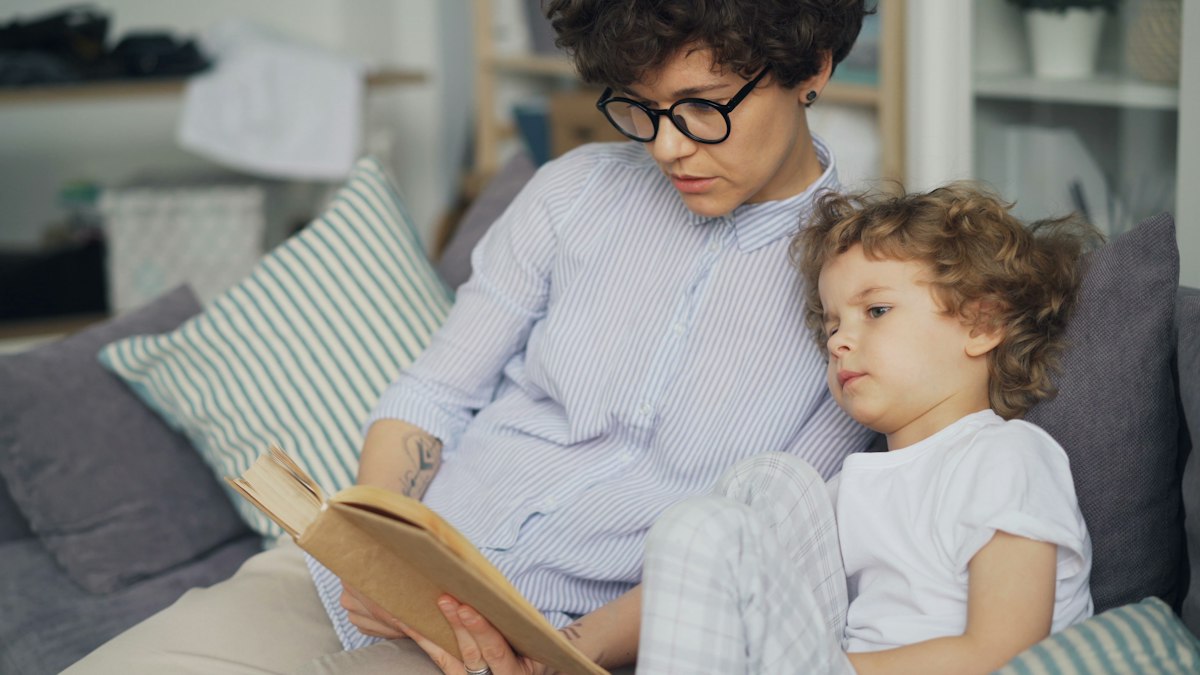
Many grandparents spend hours each week with their grandchildren. Some do school pick-ups. Others mind toddlers a few days a week while parents work.
That time matters more than you might think. Every chat over morning tea, every walk to the park and every story at nap time gives a young child a chance to hear and use language.
You don’t need special training to help. If the family ever has concerns about a child’s speech, Perth practice Kid Speak provides paediatric speech pathology and works with both parents and children.
This post looks at simple ways grandparents can support talking at home, and what to do if you notice something that worries you.
Children learn to talk by being talked with
Young children don’t learn language from flashcards. They learn it from people.
Every back-and-forth exchange counts. A toddler points at a dog, you say “Yes, a big brown dog”, and they hear new words linked to something they care about. Over thousands of moments like this, their language grows.
Grandparents are well placed for this. You often have a little more time and patience than busy parents, and children usually love having your full attention.
Slow down and leave space
Older adults sometimes worry that they talk too much, or not enough. The best approach sits somewhere in the middle.
Speak a little slower than usual and keep sentences short. Then pause. Waiting a few seconds after you speak gives a young child time to think and respond.
It can feel awkward at first. Many of us rush to fill silences. With toddlers, those quiet moments are often when the words come.
Talk about what you’re doing
A running commentary sounds odd between adults. Toddlers love it.
While you cook, garden or fold washing, describe what you are doing in simple words. “I’m cutting the apple. Now it’s in two pieces. Do you want one?”
This links words to real things your grandchild can see and touch. It also shows them how sentences are put together, without any pressure to repeat anything back.
Add a word or two
When your grandchild says something, you can build on it gently.
If they say “car”, you might say “Red car” or “The car is going fast”. You are adding just a little more than they said. That small step up is easier for them to copy than a long sentence.
Try not to correct mistakes directly. If a child says “I goed to the shop”, simply reply “You went to the shop? What did you buy?” They hear the right form without feeling they got it wrong.
Everyday activities that help
You don’t need expensive toys. Some of the most useful activities are ones grandparents have done for generations.
- Reading picture books together and talking about the pictures as well as the words
- Singing simple songs with actions, and pausing so your grandchild can fill in a word
- Looking through old family photos and naming the people and places
- Pottering in the garden and talking about colours, sizes and what you find
- Playing simple pretend games with teddies, toy cups or a cardboard box
The key is that you are both involved. A shared activity with lots of chat beats a fancy toy every time.
Hearing matters too
Children need to hear clearly to learn to speak clearly. If a grandchild often seems not to hear you, turns the TV up loud or doesn’t respond to their name, mention it to their parents.
Grandparents with hearing loss of their own may also want to think about how it affects conversations. Facing the child, reducing background noise and getting your own hearing checked can all help you both.
Be gentle about screen time
Screens are part of family life now, and that’s okay in moderation. They can’t replace a real conversation, though.
When you mind the grandchildren, try to keep the TV off in the background. Background noise makes it harder for little ones to pick out the words you are saying to them.
If you do watch something together, talk about it. Ask what is happening and what might come next.
Video calls are a little different. If you live far away, a regular call where you chat, sing or read a short book together is still a real conversation. Hold the screen steady, keep your face in view and give your grandchild time to answer.
Noticing something that worries you
Children develop at their own pace, and there is a wide range of what is normal. Comparing one grandchild with another, or with a friend’s child, rarely helps.
Sometimes, though, you might notice something that doesn’t sit right. Maybe your grandchild is much harder to understand than others their age, or seems frustrated when trying to tell you things.
If that happens, raise it with the parents kindly and without alarm. They are the ones who make decisions about their child’s care, and they may already have noticed.
Where families can find good information
Speech Pathology Australia is the national peak body for speech pathologists. Its website has general information for the public and a tool to find a speech pathologist in your area.
The Raising Children Network, which is supported by the Australian Government, also has plain, practical information on child development that grandparents may find useful.
A child health nurse or GP is another good first stop for any family with questions about a child’s development.
Getting support in Perth
If a family decides to look into speech therapy, it helps to know what is available locally. Kid Speak runs clinics in Shenton Park, Success and Baldivis, and its website describes therapy as play-based and fun.
The practice also says it works with both the parent and the child. That matters, because so much of a child’s progress happens at home, in everyday conversations with the people who love them.
Grandparents are often part of that circle. If you mind your grandchildren regularly, ask the parents whether there is anything the therapist suggests you try at home too.
The gift of your time
You may not think of a walk to the shops or a story on the couch as teaching. For a young child, it is exactly that.
Your patience, your stories and your attention are some of the best things you can give a grandchild who is learning to talk. Keep chatting, keep pausing and keep enjoying those moments together.